

My Portfolio
This portfolio showcases selected instructional design projects developed throughout my graduate program in Instructional Design and Technology. The artifacts demonstrate experience in instructional design theory, digital learning environments, instructional media, online course design, evaluation, and emerging trends in the field. Each project reflects a focus on learner-centered design, practical application, and real-world educational contexts.
Instructional Design Foundations
This section highlights foundational knowledge of instructional design models, principles, and values that inform my approach to designing effective learning experiences. Projects in this section reflect an understanding of instructional design theory and the ability to articulate a personal design philosophy grounded in evidence-based practice.
Instructional Design Guide
Overview
This project synthesizes core instructional design models and learning theories into a practical guide intended to support the design of effective learning experiences. The guide connects theory to practice by outlining key design considerations related to learner analysis, objective alignment, instructional strategies, and assessment.
Design Focus
- Instructional design models and frameworks
- Alignment between objectives, instruction, and assessment
- Evidence-based design decision making
Artifact
Instructional Design Values
Overview
This project articulates my personal instructional design values through a visual graphic supported by written analysis. The artifact reflects core beliefs about learner-centered design, clarity of instruction, accessibility, and the role of reflection and feedback in effective learning experiences.
Design Focus
- Instructional design values and philosophy
- Visual communication of abstract concepts
- Reflection on professional practice
Artifacts

Learning Environments & Digital Pedagogy
Projects in this section explore the design and selection of digital learning environments, including online, blended, and flipped models. The artifacts demonstrate the ability to evaluate learning management systems, instructional technologies, and Web 2.0 tools to support engagement, accessibility, and instructional goals.
Comparing Learning Management Systems
Overview
This presentation provides a comprehensive comparison of four widely used Learning Management Systems—Canvas, Blackboard, Moodle, and Schoology. It explores the advantages and challenges of each platform. By analyzing these elements, the presentation aims to help educators and institutions make informed decisions when selecting the most suitable LMS to meet their instructional and organizational needs.
Design Focus
- Evaluation of digital learning platforms
- Alignment between technology and instructional goals
- Learner experience and usability
Artifact
Online, Blended, and Flipped Learning Environments
Overview
This project explores three instructional delivery models—online, blended, and flipped learning—by examining their structure, instructional strategies, and appropriate use cases. A visual concept map is used to illustrate key similarities and differences, supported by a written analysis that connects design choices to learning outcomes.
Design Focus
- Instructional delivery models
- Learning environment design
- Visual representation of instructional concepts
Artifacts

Social Media for Microlearning
Overview
This project explores the use of social media platforms as vehicles for microlearning. The video examines how short, focused learning experiences can be designed using familiar digital tools to support just-in-time learning, engagement, and knowledge sharing.
Design Focus
- Microlearning principles
- Informal and just-in-time learning
- Technology-supported engagement
Artifact
🎥 Social Media for Microlearning Video
Web 2.0 Tools for Learning
Overview
This project presents an overview of Web 2.0 tools and their instructional applications. The infographic emphasizes how interactive and collaborative technologies can be used to support engagement, communication, and learner participation in digital learning environments.
Design Focus
- Technology integration
- Visual communication
- Learner engagement
Artifact

Learning Theory Applied to Instructional Design
This section focuses on applying learning theories to practical instructional design challenges. The projects demonstrate how theoretical frameworks inform instructional strategies, sequencing, collaboration, and assessment within real-world training and educational contexts.
Virtual Onboarding Training Program
Overview
This project applies learning theory to the design of a virtual onboarding program for new employees. The training experience was designed to support learner engagement, knowledge transfer, and practical application through structured content, guided activities, and aligned assessments.
Design Focus
- Application of learning theories to training design
- Content sequencing and scaffolding
- Alignment between objectives, instruction, and assessment
Artifacts
Collaborative Virtual Training Design & Assessment
Overview
This project involved collaboration with a design team to create a virtual training experience and aligned assessment. The project emphasizes the role of teamwork in instructional design, including shared decision-making, alignment of instructional strategies, and the application of learning theory in a collaborative design process.
Design Focus
- Collaborative instructional design
- Team-based planning and communication
- Learning theory applied in group contexts
Artifact
Instructional Media & Course Design
This section showcases the design and development of instructional media and full online courses. Projects emphasize backward design, alignment between objectives, assessments, and instruction, and the use of multimedia and interactive tools to create engaging, learner-centered experiences.
Writing Curriculum Using Backward Design
Audience: K–12 educators | Format: Online course (Rise 360)
Overview
This project demonstrates the design and development of a complete online course focused on writing curriculum using the backward design framework. The course was created to support educators in aligning learning goals, assessments, and instructional activities through a structured, scaffolded learning experience.
The project includes multiple instructional videos, a course plan, and an interactive Rise 360 course that models effective course design principles while teaching the backward design process.
Design Focus
- Backward design and instructional alignment
- Online course structure and sequencing
- Multimedia learning and learner engagement
Artifacts
Introduction to Music Theory – Online Course
Audience: Secondary students | Format: Fully online Canvas course
Overview
This project involved the design of a complete online music theory course focused on learner engagement, interactive practice, and skill development. The course includes structured modules, interactive activities, and multimedia resources designed to support conceptual understanding and application.
Artifacts include a course map, instructional videos, an interactive interval game demonstration, and the full Canvas course environment.
Design Focus
- Online course design and learner engagement
- Interactive learning activities
- Alignment between content, practice, and assessment
Artifacts
Evaluation & Assessment in Instructional Design
Projects in this section demonstrate the use of evaluation and assessment strategies to inform instructional design decisions. Artifacts include needs analysis tools, evaluation frameworks, and design revisions based on data and feedback, highlighting the role of assessment in continuous improvement.
Theory to Design: Evaluation Action Plan
Overview
This project translates instructional design theory into an actionable evaluation plan. Using a flowchart format, the project outlines decision points and evaluation strategies that guide the assessment of instructional effectiveness throughout the design process.
Design Focus
- Evaluation planning
- Formative and summative assessment
- Data-informed design decisions
Artifacts
Assessment Needs Survey
Overview
This project involved the design of a needs assessment survey intended to gather stakeholder input before instructional design and development. The survey was structured to collect both quantitative and qualitative data to inform instructional priorities and design decisions.
Design Focus
- Needs assessment
- Survey design
- Stakeholder analysis
Artifact
Online Course Evaluation Tools
Overview
This project focused on evaluating an online course using structured evaluation criteria. Artifacts include an evaluation checklist and an analysis of a fictitious course, highlighting strengths, areas for improvement, and alignment with instructional design best practices.
Design Focus
- Course evaluation frameworks
- Quality assurance in online learning
- Instructional improvement strategies
Artifacts
Action Research Study and Instructional Proposal
Overview
This project applies action research methods to investigate an instructional problem and propose data-informed solutions. The research process included identifying a problem of practice, collecting and analyzing data, and developing actionable recommendations to inform instructional design decisions.
The accompanying proposal video communicates findings and recommendations to stakeholders, demonstrating the ability to translate research into practical, audience-appropriate solutions.
Design Focus
- Action research methods
- Data-informed instructional decision making
- Communicating findings to stakeholders
Artifacts
🎥 Instructional Proposal Video for Stakeholders
Emerging Trends & Professional Practice
This section highlights projects that explore current and emerging trends in instructional design, including microlearning, immersive learning, mobile technologies, and professional learning networks. The work reflects an ongoing commitment to staying current in the field and designing instruction that responds to evolving learner and organizational needs.
Regulation Before Reasoning – Microlearning Module
Overview
This project applies the concept of “regulation before reasoning” to the design of a microlearning experience. The module was designed to support educators in understanding how emotional regulation impacts learning and behavior and how brief, focused instruction can support classroom practice.
Design Focus
- Cognitive and emotional readiness for learning
- Microlearning design
- Practical application in educational settings
Artifacts
Immersive Learning in Music Education
Overview
This project explores the use of immersive learning technologies to enhance music education. The video examines how immersive experiences can support engagement, contextual learning, and skill development within a music education setting.
Design Focus
- Immersive learning concepts
- Technology-enhanced instruction
- Subject-specific application
Artifact
Mobile Technologies Implementation Plan
Overview
This project presents a plan for implementing mobile technologies to support communication and collaboration in an educational setting. The plan addresses accessibility, usability, and the practical constraints of a dynamic workplace environment.
Design Focus
- Mobile learning design
- Accessibility and usability
- Real-world implementation considerations
Artifact
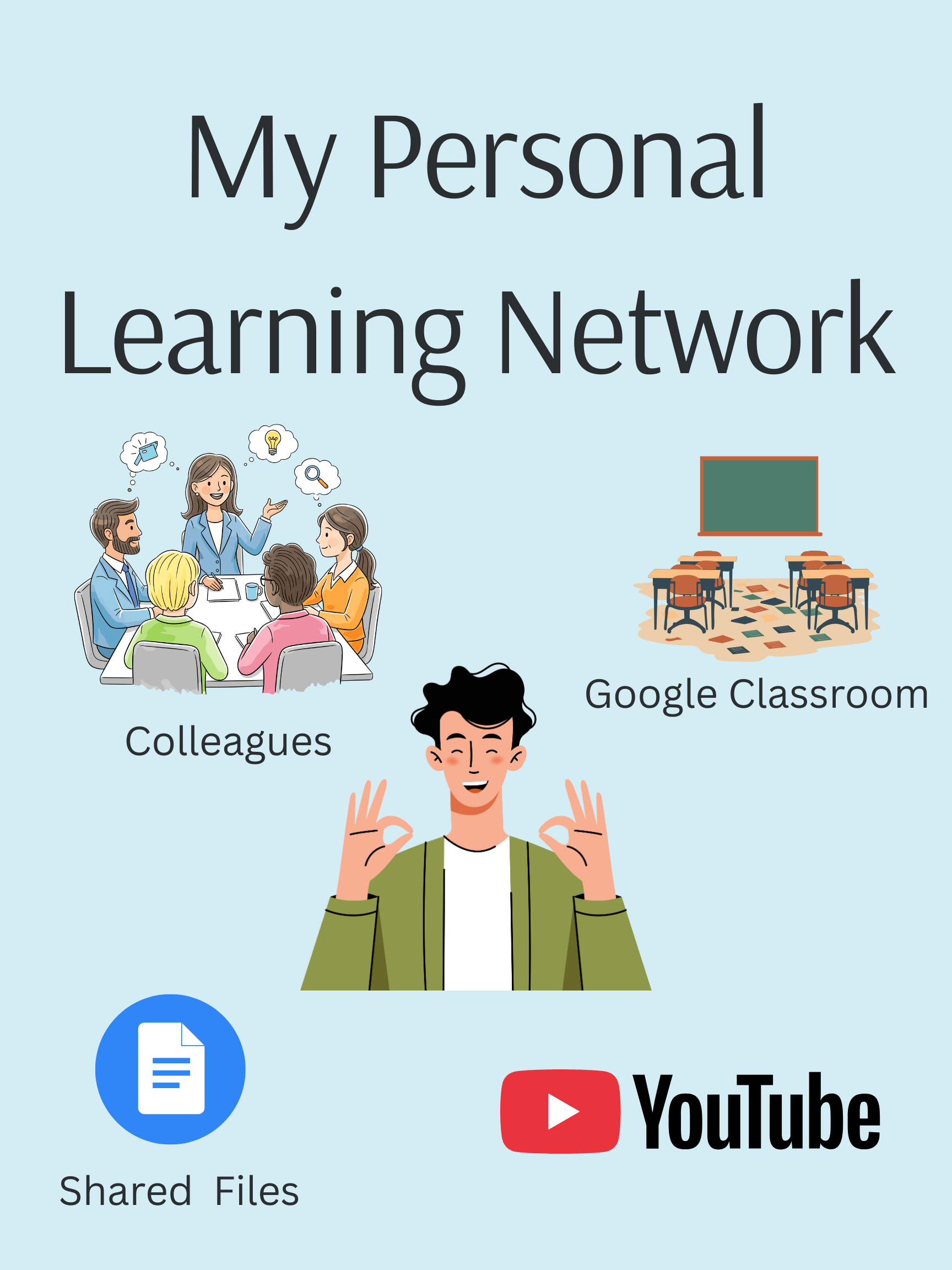
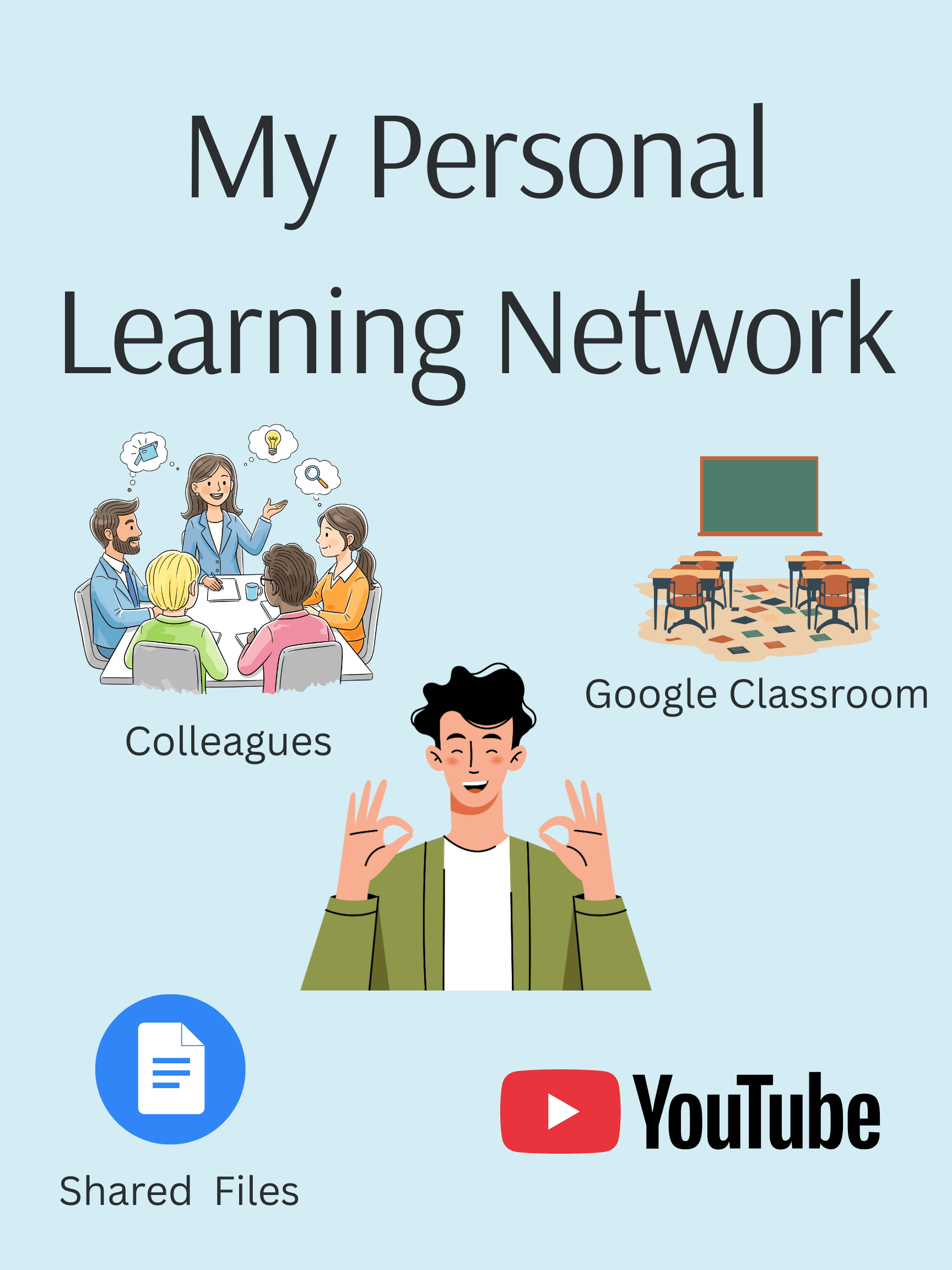
Personal Learning Network
Overview
This project outlines the development of a personal learning network (PLN) to support ongoing professional growth in instructional design. The artifacts illustrate how digital tools, professional communities, and reflective practice contribute to continuous learning and professional development.
Design Focus
- Professional learning networks
- Reflective practice
- Lifelong learning
Artifacts
🌐 Personal Learning Network Visual
The projects presented in this portfolio reflect my development as an instructional designer and my commitment to creating effective, learner-centered learning experiences. As I continue to grow professionally, I aim to refine my practice through reflection, evaluation, and the thoughtful integration of emerging technologies.
Ken Rescsanski